Why Recipes Don’t Teach Us How To Cook
(And What Actually Does)
Let me say something slightly controversial for someone who shares recipes:
“Recipes don’t actually teach us how to cook.”
They teach us how to follow instructions - so there’s a difference.
If you’ve ever searched for easy dinner recipes, how to cook with spices, or simple healthy meals at home, you’ve probably felt it. You follow every step, you measure carefully, and you plate it up.
And yet… it doesn’t quite taste the same.
Because recipes give you steps, but cooking requires understanding.
And understanding comes from flavour, culture, memory, and confidence.
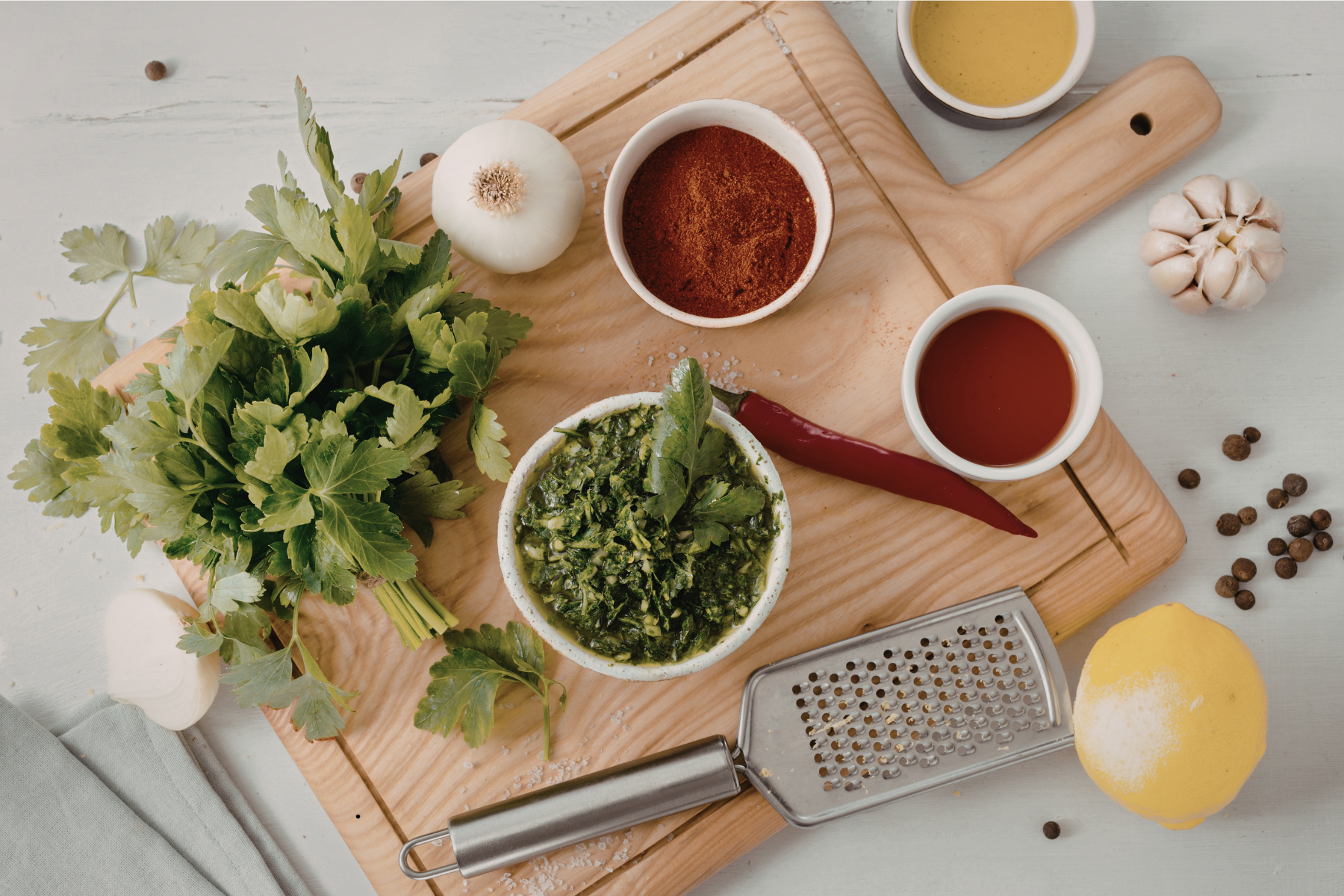
Essential ingredients for everyday cooking.
The Problem With Relying on Recipes
Most recipes are written like rulebooks:
Add 1 teaspoon of cumin
Cook for 7 minutes
Season to taste
But no one explains:
What cumin should actually smell like when it’s ready
How to tell when onions are sweet enough
What “season to taste” really means
So the moment you’re missing an ingredient, your tomatoes aren’t in season, or you want to swap chicken for chickpeas… you’re stuck.
That’s not cooking - it’s dependency. And I don’t believe any of us need to be dependent in the kitchen.
Cooking Is Pattern Recognition
When you truly learn how to cook, you start noticing patterns.
Cumin and coriander together create warmth and earthiness.
Acidity (lemon, vinegar, tamarind) lifts heavy dishes.
Fat carries flavour.
Salt doesn’t just season - it amplifies.
Across cultures, the details change, but the principles don’t.
In India, mustard seeds crackle in hot oil before anything else touches the pan.
In Italy, garlic is gently softened in olive oil to build flavour.
In Mexico, dried chillies are toasted to deepen complexity.
Different cuisines - same foundations.
Once you understand this, you stop needing recipes for every meal, and you begin cooking intuitively.
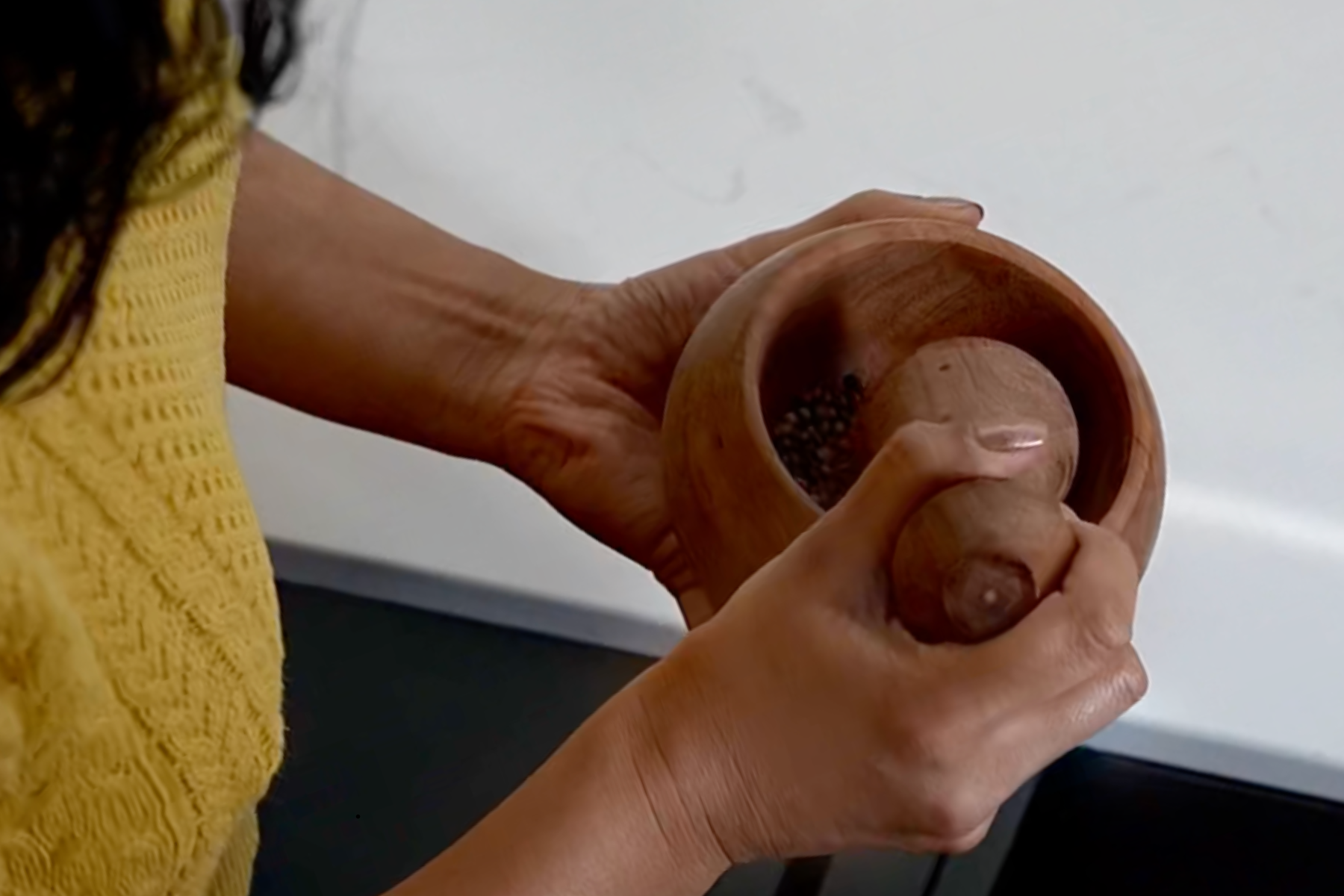
Grinding whole spices in a mortar and pestle to release flavour when cooking.
Spices Teach You More Than Recipes Do
Spices are the best teachers in your kitchen - they force you to use your senses.
When you grind cumin seeds in a mortar and pestle, you smell their warmth before they ever hit the pan. When coriander seeds toast, their citrusy aroma blooms. When cinnamon warms in oil, it turns sweet and rounded.
That sensory awareness? That’s true cooking.
This is why I always encourage people to cook with whole spices where possible. Using a pestle and mortar slows you down just enough to notice the transformation. It’s not about being fancy, it’s about being connected.
Even something as simple as keeping your everyday spices organised in a traditional masala dabba (spice box) changes how you cook. When spices are visible and accessible, you experiment more, and you trust yourself more.
You stop asking, “What does the recipe say?”
And start asking, “What does this dish need?”
Culture Teaches Us How To Cook
Recipes are static, but food culture is alive.
My relationship with spices began long before I knew what “recipe development” meant. It was in the rhythm of watching seeds splutter in oil, or the instinct to add ginger when someone felt under the weather. In understanding that food isn’t just flavour - it’s connection, wellness, and lifestyle.
When you understand where ingredients come from - the spice trade routes, migration, adaptation - you realise cooking has always been about improvisation.
People have always cooked with what they had.
They adjusted, substituted, or adapted.
That’s real cooking.
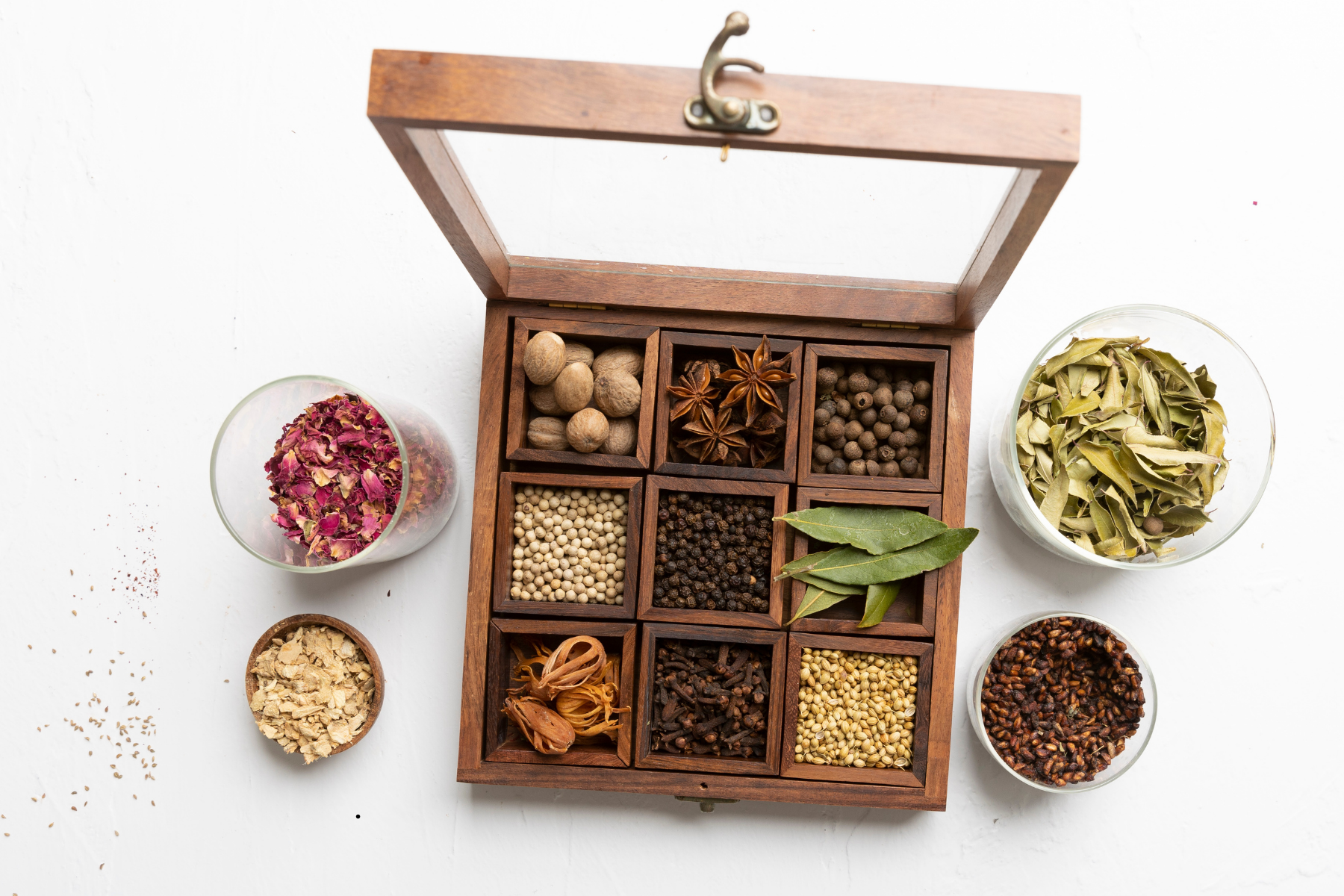
Traditional masala dabba spice box with essential whole spices for cooking.
How To Learn To Cook (Without Relying on Recipes)
If you want to move beyond simply following instructions, here’s where to begin:
1. Learn 5 Core Spices Properly
Instead of chasing 50 recipes, deeply understand five spices.
How they smell raw.
How they change when toasted.
What they pair well with.
(My Essential Spice Box was created for exactly this - a curated set of foundational spices that build confidence rather than overwhelm.)
2. Cook the Same Dish Repeatedly
Make the same soup or curry five times. Adjust one thing each time, and notice what changes.
3. Taste Constantly
Season gradually, taste as you go, and ask yourself: does this need brightness? warmth? depth?
4. Use Structure, Not Scripts
Think in frameworks:
Protein + spice + acid + fresh herbs
Vegetables + fat + warmth + crunch
Once you understand structure, you don’t need step-by-step control.
Confidence Is Built, Not Given
People often tell me they “can’t cook.”
I feel, what they usually mean is - “I don’t trust myself.”
And that’s not a skill issue, it’s a confidence issue.
Cooking is sensory, emotional, cultural - and it’s allowed to be imperfect. The goal isn’t to replicate a photo from the internet!
It’s to nourish yourself and the people around you with intention.
When you understand flavour, you’re no longer dependent on a recipe telling you what to do.
You become creative, adaptive, and resourceful.
You become someone who can open the pantry and make something delicious - even if dinner started as “there’s nothing in the fridge” (we’ve all heard that one)! And it’s far more empowering than memorising a recipe.
Final Thoughts
As the proverb goes:
“Give a man a fish, and you feed him for a day; teach a man to fish and you feed him for a lifetime."
Recipes are helpful starting points - I use them too! However, they are maps, and not the journey itself.
They provide instructions for us to follow and cook dishes, but the real cooking happens when you understand tasting profiles, respect ingredients, and trust your senses.
That’s when spices stop being intimidating little jars in the cupboard, and start becoming tools for connection and healthier lifestyles.