The Responsibility of Sharing Culture Through Food (And Why It Matters More Than Ever)
Food has always been more than just food.
It carries stories of migration, memory, survival, and celebration.
And in our present climate, it carries a heavy responsibility.
We’re living in a time where flavours travel faster than ever, but we’re also becoming more divided by the political landscape.
You can walk into a supermarket in Australia and find spices, ingredients, and dishes from across the world - cumin from India, za’atar from the East Asia, cacao from Central America.
We maybe more connected with technological advancements, yet we are further disconnected from where, and from whom, these foods actually come from.
When Food Travels, Stories Can Get Lost
It’s a beautiful thing that we can experience global flavours in our everyday cooking.
But what’s missing is that even though ingredients travel, the stories or origins of those hands that cook and consume these foods for hundreds of years, do not.
We see:
“chai latte” without understanding what masala chai represents
spice blends like za’atar or dukkah used without context
ingredients like cacao and turmeric positioned as trends rather than traditions
And over time, these foods can become detached.
Detached from the people, the places, and their meaning, and then they - and we - become soul-less.
This isn’t about blame, it’s about awareness.
When we understand the story behind what we’re using, it changes how we cook, how we eat, and how we perceive people and connect with one another.
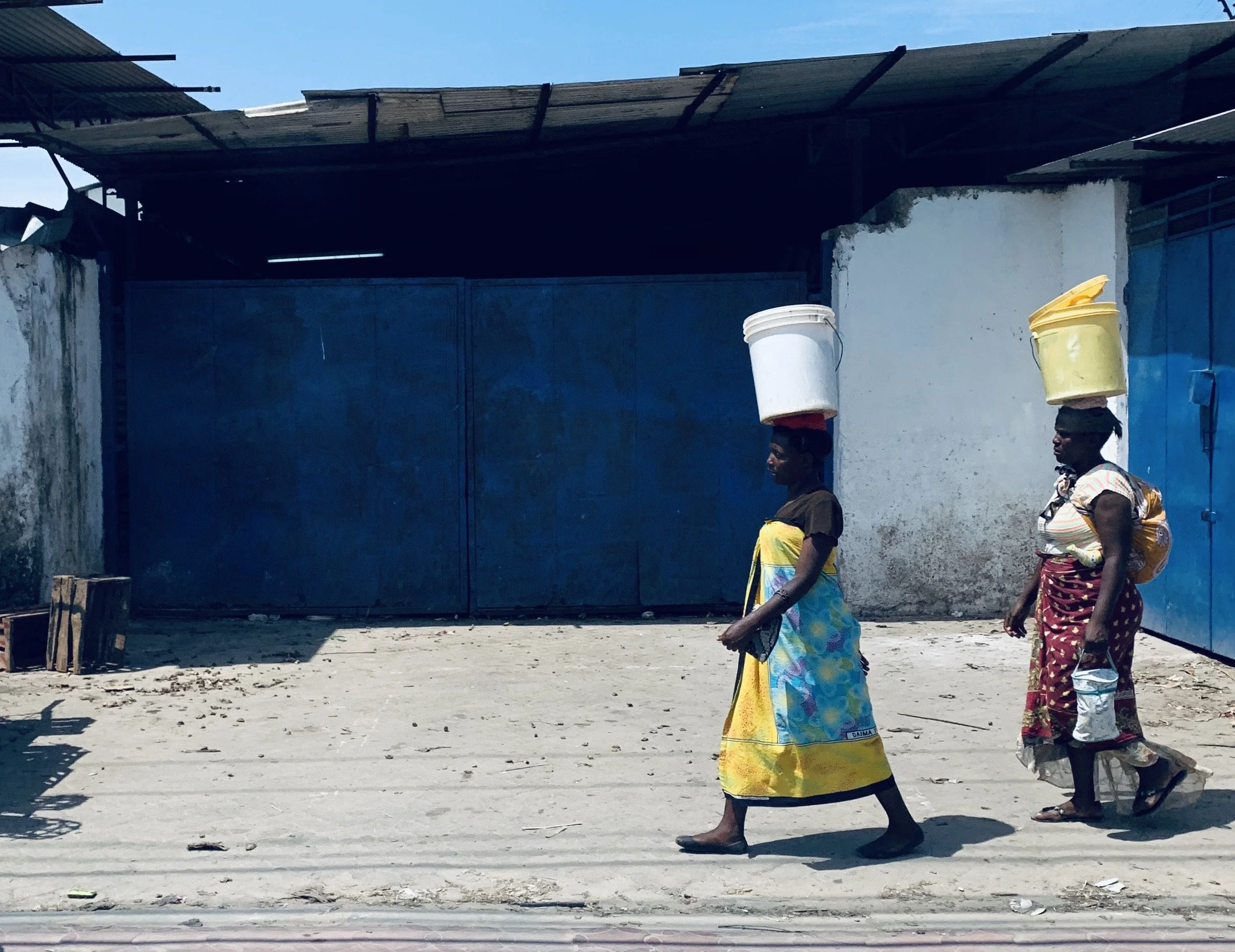
Local Kenyan life in Nyali, Mombasa
Food Is Cultural Memory
Every spice, every dish, every ritual has a reason (and a season).
Spices weren’t just added for flavour. They were used for:
preservation
healing
balance in the body
and, of course, taste
The history of the spice trade alone tells us how deeply interconnected the world has always been - long before globalisation became a buzzword.
Food has always been a bridge - however one that only works if we recognise both sides.
Sharing vs. Taking
There’s a difference between appreciating culture and unintentionally diluting it.
Sharing culture through food can look like:
learning where ingredients come from
understanding traditional methods
acknowledging origins when you speak about or serve a dish
staying curious instead of assuming
It doesn’t mean you can’t adapt recipes or make things your own.
Adaptation is part of food history, but awareness is what keeps it respectful - food evolves, but it shouldn’t erase.
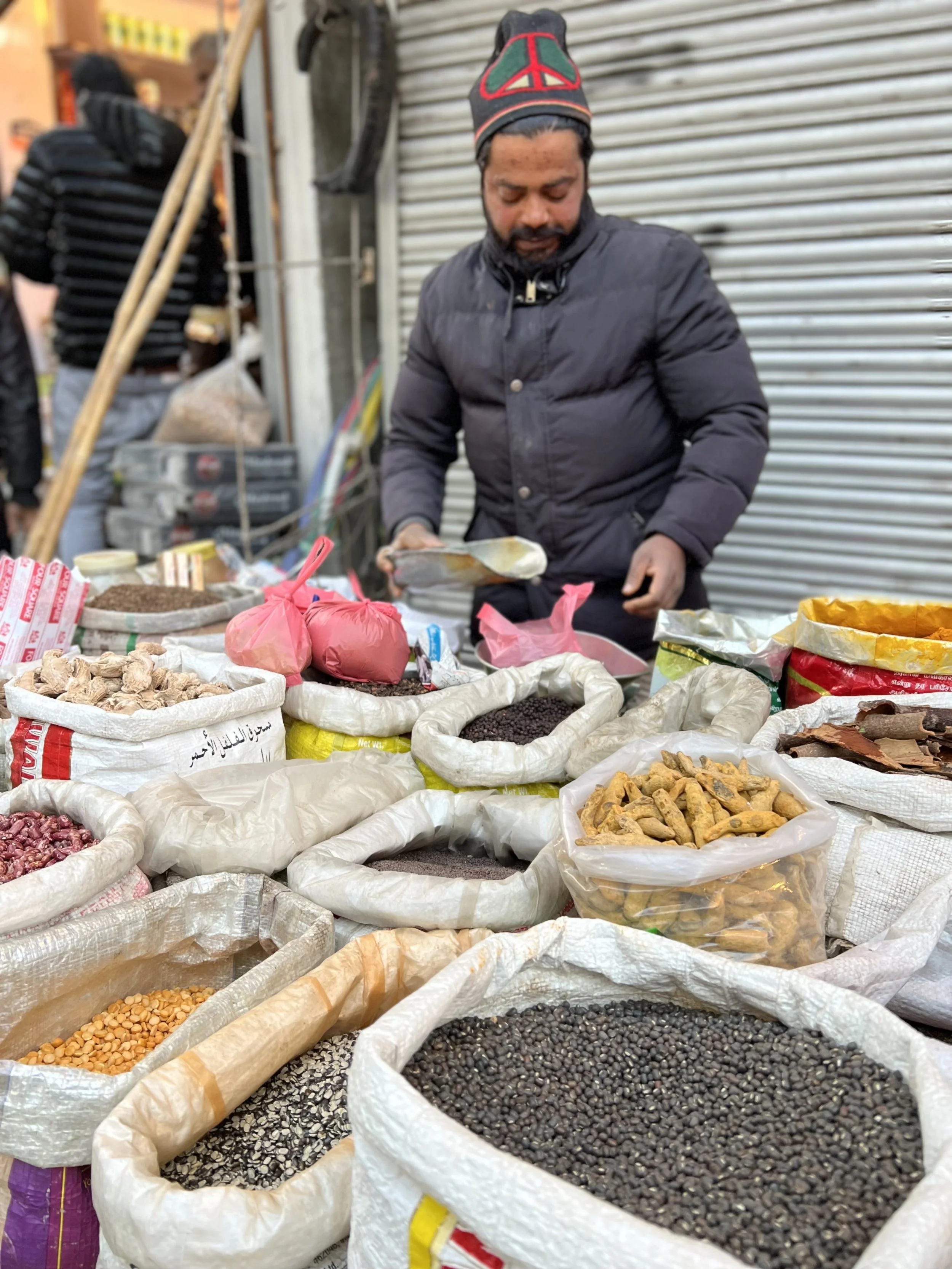
Spicewalla in Srinagar, Jammu and Kashmir
What This Means In Our Own Kitchens
This might sound like a big, global conversation.
But it actually starts in very small, everyday moments.
Like:
knowing why spices are added in a certain order
understanding why some are toasted, while others are ground fresh
recognising that a spice blend isn’t just flavour, it’s identity
When you cook with intention, even something simple becomes meaningful.
This is something I care deeply about through Inner Spice, where it’s not about just helping you use spices, but also helping you understand them.
When you open a spice box and see cumin, coriander, fennel, turmeric - you’re not just seeing ingredients, you’re seeing centuries of knowledge.
This is why tools like a traditional masala dabba (spice box) matter. It’s not just storage, it’s a way of keeping spices visible, accessible, and part of your everyday rhythm.
It’s also why I encourage using whole spices and grinding them yourself where possible. A wooden pestle and mortar isn’t about aesthetics, it’s about reconnecting with the process.
Slowing down enough to smell, notice, and learn.
The Role We Play
We don’t need to be historians to share food responsibly, but we do need to be conscious.
Every time we:
cook a dish
share a recipe
talk about an ingredient
or introduce someone to a new flavour
We are shaping how that culture is perceived, and that’s powerful - but it also comes with a responsibility.
A Simple Way to Start
Next time you use a spice or make a dish, ask:
Where does this come from?
How has it traditionally been used?
What’s the story behind it?
Even that small pause creates connection which can turn cooking from something functional, into something meaningful.
Final Thought
We’re not as divided as the world sometimes makes us feel.
If you look closely, our kitchens tell a different story.
One of shared ingredients, shared techniques, and an history passed down through generations.
Food has always connected us.
And when we choose to honour the cultures behind it, and not just consume them, we continue that connection in a way that’s thoughtful, respectful, and real.
That, to me, is where the magic of spices truly lives.