The Spice Routes: How Spice Trade Shaped Food, Culture & History
From Indian Ocean traders and monsoon winds to empires and the spice cupboard in our kitchens today.
If you hadn’t already noticed, there’s something I find endlessly fascinating about spices.
We can pick up a jar of cumin, cinnamon, or black pepper from our pantry and, at first glance, it’s just… a spice. However, when we look a little closer - there’s usually a much bigger story.
A story about a place, a person, a journey, and a trade route - sometimes an empire, and on most occasions a rather astonishing amount of money and power!
This is one of the reasons I started Inner Spice. I’ve always been interested in the stories behind food - not just what we eat, but how it got there, who carried it, and how it became part of our everyday lives.
And with a trip to India coming up (eeek!), I’ve been thinking a lot about the journeys spices have taken - and the journeys I enjoy embarking on.
Long before spices arrived neatly packaged in jars on supermarket shelves, they were travelling across oceans - and India was just one of the countries right at the heart of that story.
The Spice Trade Wasn't One Route
We often talk about “the spice routes” as if it were one long ancient road stretching from India to Europe, but it wasn't.
What we now call the spice trade was a huge network of land and sea routes connecting producers, traders, ports and markets across Asia, Africa, and Europe, with much of it happening across the Indian Ocean.
Indian, Arab, Persian, African, Southeast Asian and Chinese traders were moving goods across these waters centuries before European powers entered the picture.
Ships followed the seasonal monsoon winds, connecting ports and communities across enormous distances and spices were among the most valuable goods being moved.
However, not only were spices exchanged - so too were textiles, precious stones, medicines, ceramics, metals, perfumes and food.
And perhaps most importantly, ideas travelled with them – from languages, religions, cooking techniques, stories, traditions and customs, and a variety of other ingredients.
“Food cultures don’t develop in isolation - they move, borrow, adapt, and become something new.”
That idea is at the heart of Inner Spice.
India: At the Heart of the Indian Ocean Spice Trade
When I think about the spice trade, I inevitably think about India.
Not because every spice originated here (they certainly didn’t), nor is it because of my Indian heritage (although I am stirred by how my life has taken me on this path – that’s another story), but because India became one of the great centres through which spices, people and ideas moved.
The Malabar Coast in southwest India, particularly around Calicut (now Kozhikode) in Kerala, was a major trading centre and was famous for black pepper. Further north, Gujarati merchants working out of ports like Khambhat were trading as far as East Africa and Malacca.
Traders arrived from across the Indian Ocean, while Indian merchants travelled outward into other markets - and this is where things get interesting, because the spice trade wasn't simply about Europeans coming to India to buy spices - there was already a thriving international marketplace.
When Vasco da Gama arrived at Calicut in 1498 after sailing around the Cape of Good Hope, he wasn't discovering a place lacking trade. He was entering an established commercial network that had been operating for centuries.
What had changed was that the Europeans wanted to control and dominate those existing networks – and it was that, that changed the history of spices and the landscape of the world, forever.
Black Pepper: The Spice That Started a Lot of Trouble
We can’t ignore the role this one, very common spice played in the history of the spice trade.
Black Peppercorns.
And it feels particularly fitting that it grew so abundantly along India's Malabar Coast.
Pepper was highly prized in Europe for centuries – and not just for cooking, but also medicine, food preservation, and as a form of currency.
Arab and Persian merchants played a major role in moving goods through the Indian Ocean and towards the Mediterranean, while Venetian merchants became important distributors of spices into Europe.
Naturally, other European powers wanted in, and once Portugal found a direct sea route to India, the competition became much more aggressive.
The Portuguese arrival at Calicut was followed by attempts to control ports, shipping and access to the spice trade, and then later came the Dutch and English.
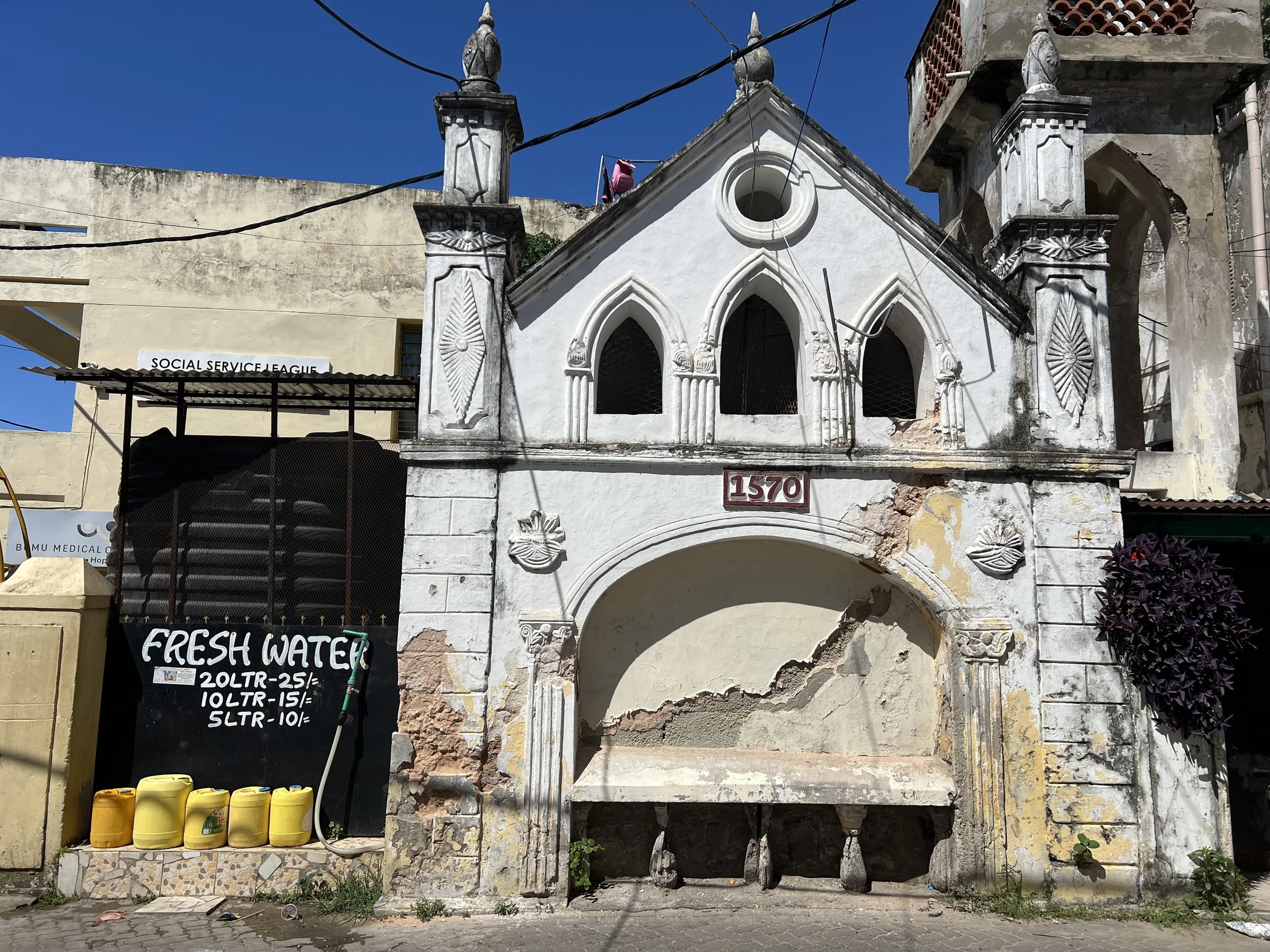
Suddenly, something growing on a vine in Kerala had become part of a much bigger struggle for global power – what a fascinating thought whilst we grind black pepper over our morning eggs!
Consider This for a Moment
For all the stories of ships, empires and enormous fortunes, I think we sometimes forget the simplest points:
Someone planted the pepper vines.
Someone had to grow the spice.
Someone harvested the berries.
Someone dried them.
Someone packed them.
Someone carried them to a port.
Someone knew which winds would carry a ship safely across the ocean.
Someone cooked with them across the other side of the world.
And so someone, somewhere along that journey, thought: “I wonder what happens if we put this in our food?”
That is one of the parts of food history that fascinates me, because behind every ingredient are a multitude of human stories from varying places and cultures.
The Monsoon Winds That Connected the World
One of the great technological advantages of Indian Ocean trade was knowledge of the monsoon winds.
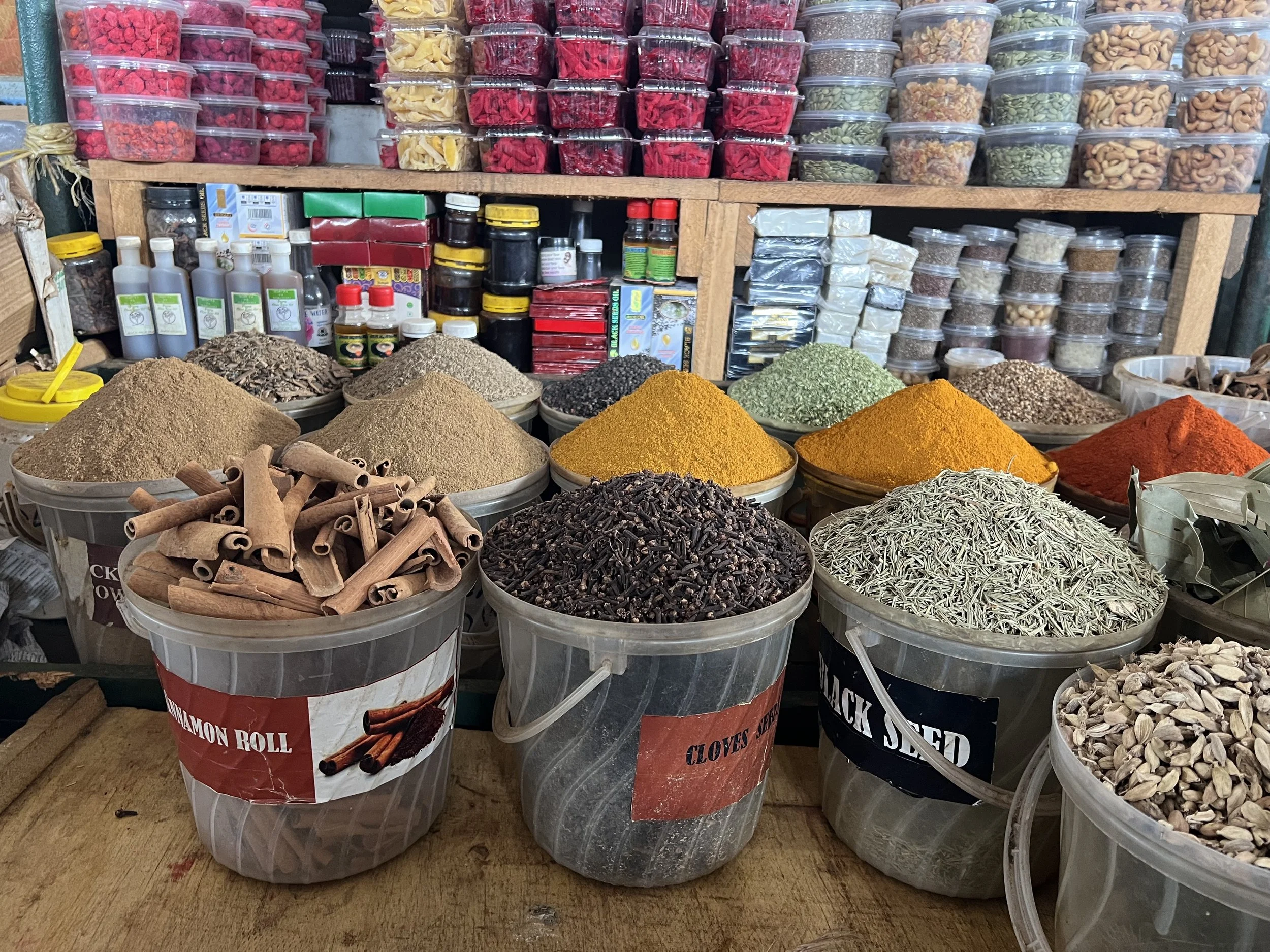
Sailors understood that these seasonal wind patterns could carry ships across the ocean and back again at different times of the year, which made regular long-distance maritime trade possible.
Just think about that for a moment - no engines, no GPS, or weather app, just knowledge passed between generations and an understanding of the sea and sky.
These maritime networks connected ports from the East African coast and Arabia to India, Sri Lanka and Southeast Asia.
And spices moved through these networks long before they became associated with European exploration.
Not All Spices Came From India
This is one of my favourite things to explain when I talk about spices.
India is a spice powerhouse. Spices are used beautifully, through culinary techniques that have passed down generations, but it isn't the birthplace of every spice we associate with Indian cooking.
Take three of the spices that appear in my own kitchen regularly.
Cinnamon
True Ceylon cinnamon comes primarily from Sri Lanka.
Cloves
Cloves originated in the Maluku Islands of Indonesia.
Nutmeg
Nutmeg and mace came from the tiny Banda Islands, also in Indonesia. These islands became known as the Spice Islands because they were the original home of some of the world's most coveted spices and witnessed a brutal military massacre for the monopolisation of their trade.
And yet these spices became deeply embedded in cuisines far beyond their places of origin - and that's the beauty and complexity of food culture.
So How Did They Become Part of Indian Food?
Through movement.
Trade brought ingredients into contact with new cuisines and communities.
Indian cooks didn't simply receive spices and copy how they were used elsewhere. These ingredients were absorbed into existing food traditions and used in completely new ways.
And that process happened everywhere.
It's one of the reasons I don't like the idea of cuisines being completely fixed or belonging neatly inside borders.
Food is much messier than that. Food has no borders and no culture exists in isolation.
The chilli pepper is another brilliant example.
Today, it's almost impossible to imagine Indian food without chillies, yet chillies originated in the Americas and only arrived in India through the Columbian exchange, with Portuguese traders playing a role in their movement into the Indian Ocean world from the 16th century onwards.
And now?
Chilli is inseparable from so many Indian cuisines - that's food culture in motion.
Which Makes Me Even More Excited About India
I'm heading to India soon, and this time I'm going with a slightly different pair of eyes.
Of course I'll be eating! And there will be markets, spices, and copious amounts of masala chai being consumed!
But I'm also going looking for the stories.
I'll start in Old Delhi at Khari Baoli, a spice market that has been trading since the 17th century, before travelling through Rajasthan and Gujarat, from Jodhpur's Sardar Market to Manek Chowk in Ahmedabad. I won't make it to the Malabar Coast this time (the peppercorns will have to wait), but Gujarat's merchants were part of this same Indian Ocean story. Along the way I'll be visiting historic sites and connecting with local merchants.
Because when you have spent years with a curiosity for the history of spices, there is something quite special about standing in the places you've been reading and researching about.
It's a different kind of learning, and I'm looking forward to bringing some of those stories home with me.
From the Spice Route to My Spice Cupboard
This is also why I love the humble masala dabba.
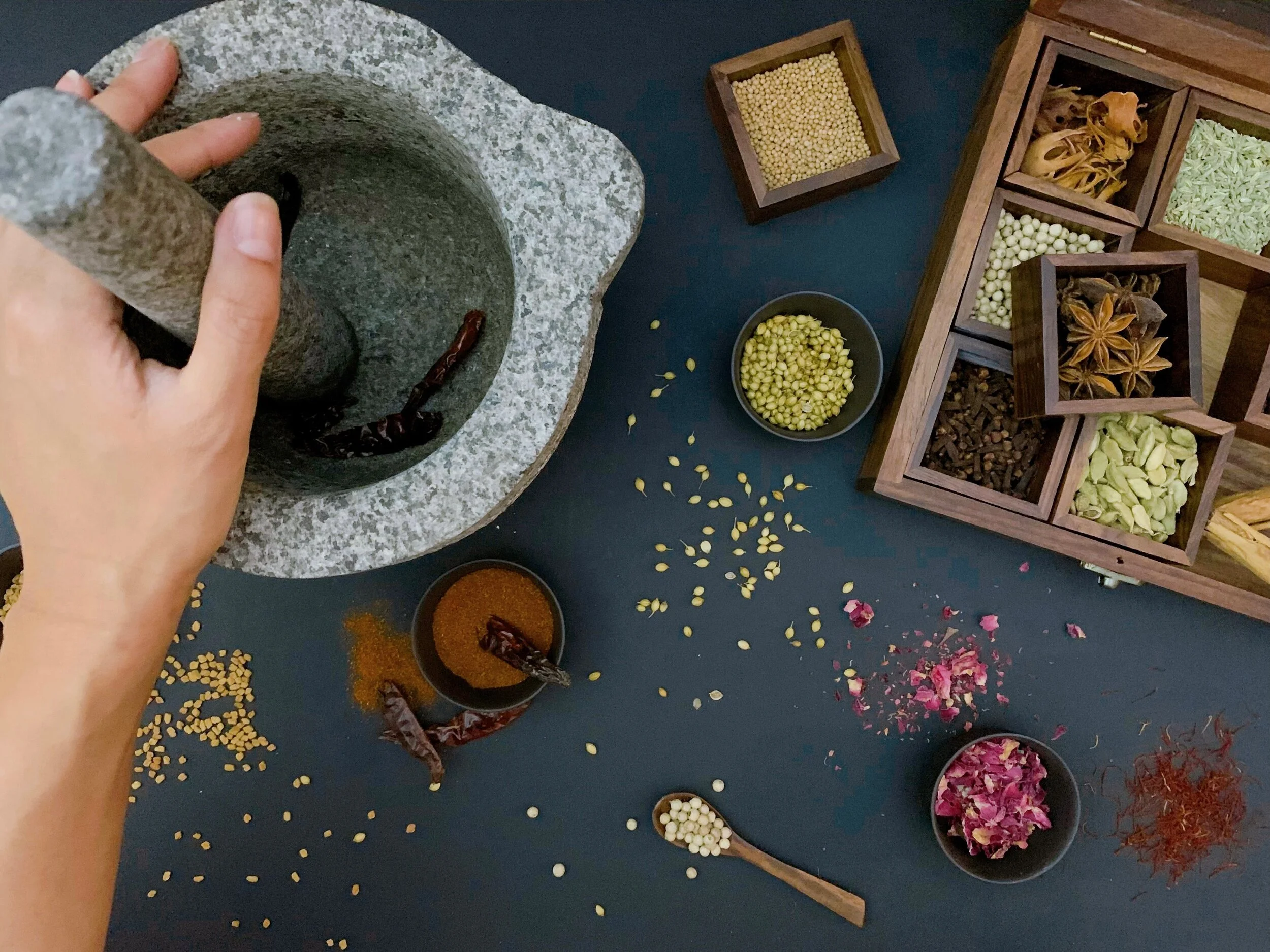
In an Indian kitchen, a masala dabba isn't just a pretty spice container; it’s been used for generations. A practical keepsake that’s used daily and the spices inside become part of the rhythm of our everyday cooking.
That's exactly what I wanted to capture with my handmade Indian wooden spice box - something beautiful, yes, but also something that makes your everyday spices visible and accessible.
Because I think spices deserve to be used rather than forgotten at the back of a cupboard.
And that's really what my Everyday Spice Collection is about too - nine everyday spices, presented in a way that encourages you to actually use them. To smell them, toast them, grind them, experiment with them and understand where they came from and their wealth of health benefits.
Not a collection to admire, but a collection to cook with, daily:
The Spice Trade Is Still With Us
We may not think about ancient trade routes when we're making dinner tonight, however they're still present.
They're in the cinnamon in your porridge.
The cumin in your dhal.
The coriander in your curry.
The pepper on your eggs.
The turmeric in your ‘golden milk’.
The cardamom in your chai.
The cloves in your Christmas pudding.
Our kitchens are full of evidence that cultures have been meeting, trading, adapting and influencing one another for thousands of years - and perhaps that's why I'm so drawn to spices. They are tiny reminders that we have always been connected.
Long before social media, and before most of the borders we see today, people were travelling, trading, sharing, learning, cooking, and creating something new.
A Little More From Inner Spice
If you'd like to bring a little more of that spice-route history into your own kitchen, my Everyday Spice Collection is designed to make those everyday spices easy to see, understand and use.
And if you'd rather hear these stories in person (with the spices in front of you, ready to smell and toast), I run workshops workplaces and private groups. I'll be coming home from India with new stories, so if you're planning something for the new year, I'd love to hear from you. You can download my brochure here or send me an email directly, rutchi@innerspice.com.au
Because ultimately, that's what Inner Spice is about:
Connecting people to culture through food - one spice story at a time!
What You Might Also Like to Read
Ginger: History, Health Benefits & Everyday Spice Hacks
From ancient trade routes to my morning cup of ginger tea - discover the story behind this warming root and why I don't peel it.
Coriander Seeds: From Ancient Spice Routes to Your Kitchen
A closer look at one of the world's oldest spices, plus my favourite way to roast and crush coriander seeds for maximum flavour.
The Spices That Make Christmas Taste Like Christmas!
Cinnamon, cloves and nutmeg have travelled an extraordinary distance to become part of our festive traditions. Here's their story.